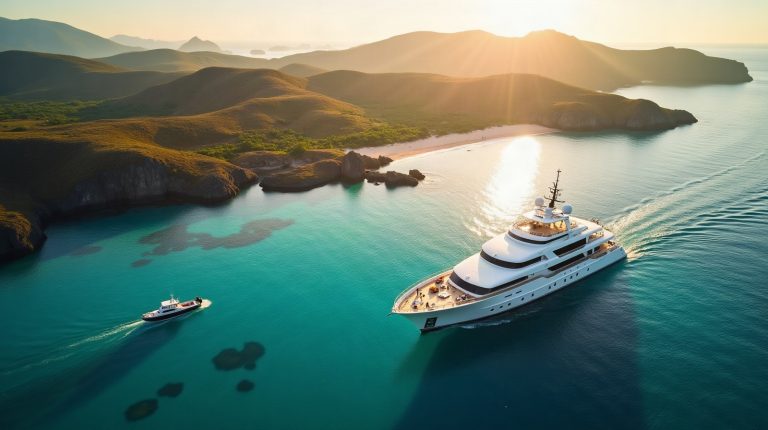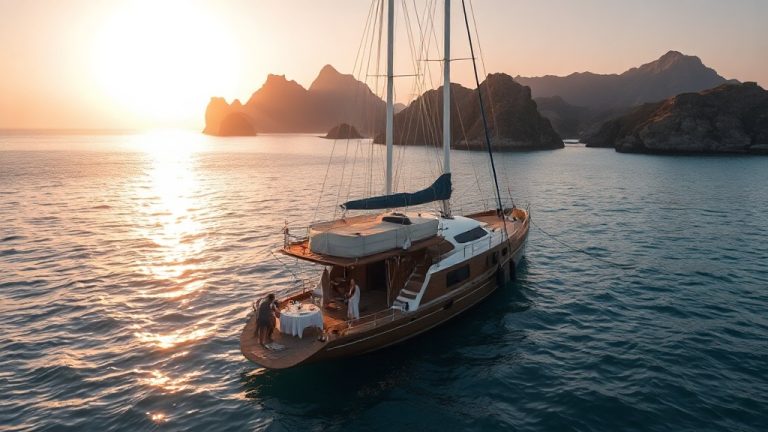

Privacy on a Bali yacht charter is not automatic — it is engineered. The five controls that matter most are crew non-disclosure agreements, choosing private moorings over public marina berths, a written drone and photography policy, disciplined handling of the guest manifest, and — for high-profile principals — a coordinated security detail covering every shore movement. This guide explains how yacht charter privacy in Bali is actually arranged, step by step, before you ever step aboard.
Why Does Yacht Charter Privacy in Bali Need to Be Arranged in Advance?
Bali’s charter scene is concentrated around Benoa Harbour and Serangan, which means most vessels depart from docks that are visible, busy, and shared with day-trip operators. Port clearance paperwork passes through several hands — agents, harbormaster staff, sometimes immigration for onward legs — and many crews in Bali work freelance across multiple boats rather than for a single owner. None of this is sinister; it is simply how a busy charter hub operates. But it creates three predictable leak points: the dock, the paperwork, and the camera.
As of 2026, demand compounds the problem. In high season — July to August and the Christmas–New Year period — marinas and popular anchorages fill quickly, which limits your flexibility to reposition away from crowds. Guests who book late often end up accepting whatever berth and crew are available. Yacht charter privacy in Bali is therefore won or lost at the booking stage, typically eight to twelve weeks out for peak dates, not on the day of departure.
Do Crew NDAs Actually Work on a Bali Charter?
Yes — provided they are drafted for Indonesia and backed by crew selection, not used as a substitute for it. A confidentiality agreement signed by a crew member who was hired from a freelance pool the day before departure offers limited real protection. The stronger approach combines both layers: work with operators whose crews are salaried, vetted, and used repeatedly, then put the obligation in writing.
What should a charter NDA cover?
- Identity and presence: no confirmation to anyone that a named guest is, was, or will be aboard.
- Images and recordings: no photos or video of guests, and no personal phone photography in guest areas during the charter.
- Social media: no posts referencing the vessel, itinerary, or guests until an agreed date after disembarkation — and never with geotags.
- Itinerary and schedule: departure times, anchorages, and shore stops treated as confidential.
- Extension to third parties: the same terms flowed down to day staff — private chefs, spa therapists, dive guides, drivers, florists, and provisioners who touch the trip.
Have the agreement prepared bilingually in English and Indonesian and signed before departure, ideally at contract stage. In practice, the deterrent value of a clear, translated document that every crew member has personally signed is significant — most breaches in this market are casual social-media posts, not deliberate leaks, and a signed policy stops the casual ones almost entirely.
Private Moorings vs Marina Berths: Which Protects You Better?
The berth decision shapes your exposure more than any other single choice. A marina berth is convenient — walk-on boarding, easy provisioning, straightforward clearance — but it places the vessel in public sightlines with dock workers, other charter guests, and onlookers a few metres away. A private mooring or anchorage — off Nusa Lembongan, the west coast of Nusa Penida, or the quiet stretches of Amed and East Bali — trades that convenience for control: guests board by tender from a villa jetty or private beach location, and you decide who comes within a hundred metres of the boat.
| Marina berth (e.g. Benoa) | Private mooring / anchorage | |
|---|---|---|
| Sightlines | Public dock, high foot traffic | Open water, controlled approach |
| Boarding | Walk-on, visible to bystanders | By tender from a private point |
| Paperwork exposure | Handled dockside, more hands involved | Cleared in advance by an agent |
| Provisioning | Easy but observable | Requires shoreside coordination |
| Best use | Formalities, fueling, crew change | Guest embarkation and overnights |
The professional pattern is a hybrid: the vessel clears formalities, fuels, and provisions at the marina without guests aboard, then repositions to a private mooring for embarkation. A superyacht shoreside concierge team makes this seamless — completing port clearance, bunkering, and provisioning dockside while the principal boards by tender from a villa in Nusa Dua or Uluwatu, having never appeared at the harbor at all. For yacht charter privacy in Bali, this two-location choreography is the single highest-impact measure on this list.
How Do You Control Drones and Photography Around the Yacht?
Indonesia regulates recreational and commercial drone flights, and operators are expected to hold permissions for many categories of flying — but enforcement around beaches and anchorages is inconsistent, so you should not rely on regulation alone. Practical control works on three levels:
- Positioning: anchor beyond typical hobby-drone range from public beaches and instruct the captain to reposition if a drone loiters. Distance is the cheapest counter-measure available.
- Policy: a written media policy — covering crew, day staff, and any accompanying personal staff — that mirrors the NDA: no capture of guests, no live posting, no geotags, embargo until after the trip.
- Controlled capture: if you want images of the trip, appoint one designated photographer under contract, with agreed usage rights and an agreed release date. This satisfies the natural desire for a record while closing off ad-hoc phone photography.
The “post later” rule deserves emphasis: most location leaks come not from paparazzi but from well-meaning real-time posts. Shifting all sharing to after departure removes the operational risk while costing guests nothing.
How Is the Guest Manifest Kept Discreet?
You cannot avoid the manifest. Indonesian port clearance requires passenger lists, and passport details are needed for certain routes and for immigration formalities on international movements. What you can control is how those documents travel. Best practice as of 2026: route all documentation through a single trusted agent channel rather than emailing passports to multiple suppliers; share guest names only with parties who legally require them; and keep supplier-facing paperwork — catering sheets, transfer bookings, spa schedules — on a “party of eight” convention with no names attached.
Arrival can be aligned with the same discipline. Fast-track immigration at Ngurah Rai, arranged through official airport services, means passports are handled once, by a known escort, in minutes — rather than presented repeatedly across a long arrival chain. From the airport, guests move directly to the villa or boarding point without their identity circulating through additional booking systems.
When Should You Pair a Charter with a Security Detail?
For most guests, the water itself is the safest part of the trip — the exposure points are on shore. If the principal’s profile warrants it, the charter should be wrapped in a shore program: secure transfers between airport, villa, and boarding point; close protection during restaurant visits and island stops; and, where appropriate, police escort transfers arranged through official cooperation, which are legal and available in Bali for VIP movements. Our private security and police escort service is built to integrate with charter itineraries so that the same protective standard follows the guest from the aircraft door to the tender and back.
Shore excursions themselves can be structured for discretion rather than improvised. Private stops in East Bali, Nusa Penida, or on a Komodo crossing work best when arranged as exclusive island experiences with vetted local hosts, private landing points, and no third-party group mixing — which keeps the privacy standard consistent even when guests leave the vessel.
A Realistic Privacy Timeline
- 8–12 weeks out (high season): secure the vessel, crew, and preferred mooring plan; NDAs attached at contract stage.
- 3–4 weeks out: confirm the embarkation choreography — marina formalities without guests, tender boarding point, shoreside team briefed.
- 1–2 weeks out: finalize the media policy, designated photographer if any, and the shore security program.
- Final days: manifest submitted through the single agent channel, per port requirements; airport fast track confirmed against the arrival flight.
Costs for these measures vary with vessel size, season, and the scope of the shore program, so treat any figures you see online as indicative only — the structure above matters far more than any specific line item.
Arrange It Once, Through One Operations Team
True yacht charter privacy in Bali is a coordination problem: crew, berth, paperwork, cameras, and shore security all have to hold the same standard at the same time, and a gap in any one of them undoes the rest. That is precisely what a single operations team exists to prevent. Part of Juara Holding Group — operating from Bali across Indonesia since 2015 — our concierge desk arranges the vessel, the NDAs, the mooring plan, the manifest handling, and the security detail as one integrated program.
Tell us your dates and your privacy requirements, and we will come back with a complete plan. Message us on WhatsApp at +62 811-2859-0000 or email sales@balipremiumtrip.com to start the conversation.